
Welcome to The F1 Advantage!
|
|||||||||||||||||||||||||||||||||||||||||||||||||||||||||||||||||||||||||||||||||||||||||
|
|||||||||||||||||||||||||||||||||||||||||||||||||||||||||||||||||||||||||||||||||||||||||
|









subscribe
News personalized to you
The American Brahman Breeders Association is excited to introduce four new email subscription options designed to keep you informed and engaged with the topics that matter most to you! Whether you’re passionate about show results, junior programs, F1 advantages, or international Brahman news, we’ve got you covered.

The Show Report – Stay up to date with the latest show results, highlights, and industry insights from Brahman events across the country.

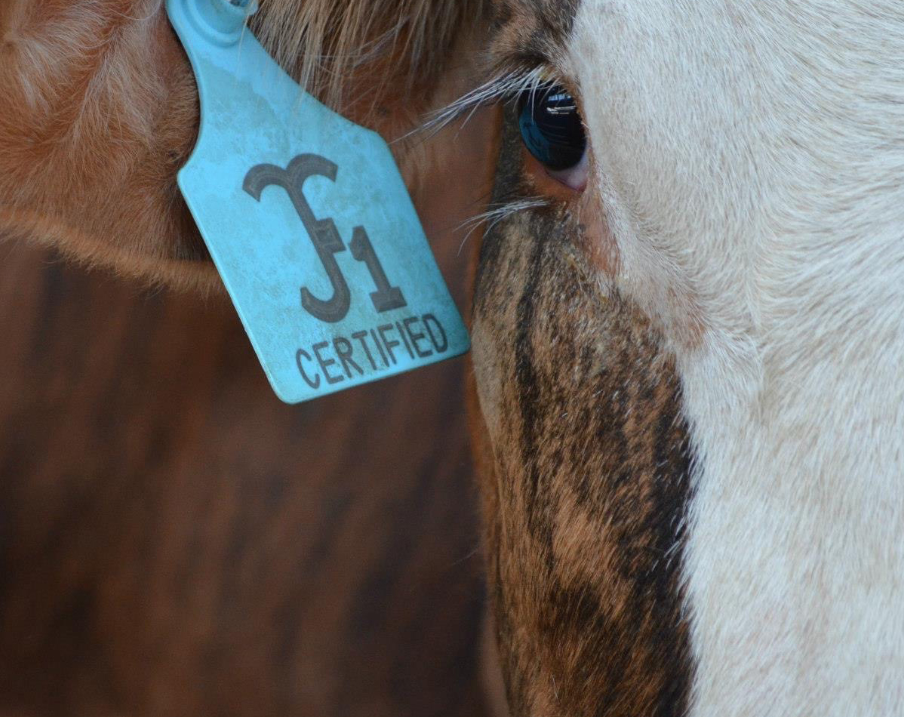
The F1 Advantage – Learn more about the unmatched benefits of Brahman F1 cattle, market trends, and breeder success stories.

The AJBA Voice – A must-have for junior members and supporters, featuring upcoming events, leadership opportunities, and youth achievements.

The Brahman International Connection – Dive into global Brahman news, export opportunities, and international industry developments.